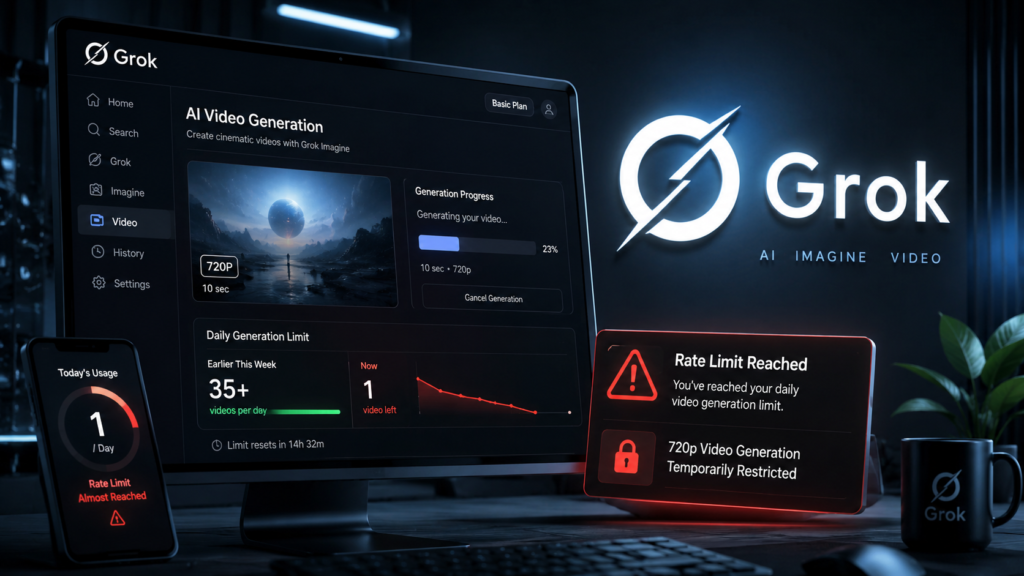

AI video generation has rapidly become one of the biggest trends in the tech industry. Millions of creators are now using AI tools to create cinematic videos for YouTube Shorts, TikTok, Instagram Reels, advertisements, music videos, and digital storytelling. But in 2026, users are starting to notice a major shift across the industry: AI video generation is becoming more expensive, more restricted, and increasingly rate-limited on many platforms.
Many creators who previously enjoyed generous generation access are now seeing stricter limits, reduced daily generations, slower rendering queues, and higher subscription pricing. The reason behind this change is not random. There are real technical and infrastructure challenges forcing AI companies to rethink how they provide large-scale video generation services.
AI Video Requires Massive Computing Power
The biggest reason behind rising AI video costs is the enormous computing power needed to generate videos. Unlike chatbots that only generate text, AI video models must create hundreds of connected frames while maintaining motion consistency, lighting, physics, camera movement, realistic transitions, and subject stability across the entire clip.
Even a short cinematic AI video can require massive processing internally. Every frame must connect naturally with the next frame while the AI continuously predicts movement, environment details, shadows, reflections, and animation consistency. This makes AI video generation dramatically more expensive than normal AI text generation.
Industry discussions and AI researchers have repeatedly highlighted that video generation workloads require significantly higher computational resources compared to text-based AI systems, especially when generating high-quality 720p or 1080p cinematic videos.
GPU Infrastructure Costs Are Rising
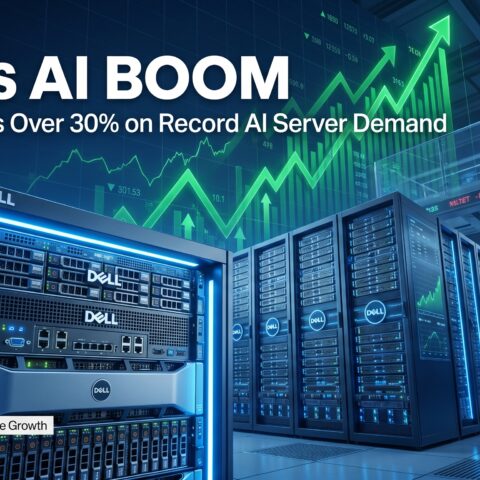
Another major factor is the rising cost of GPU infrastructure. AI video platforms rely on extremely powerful NVIDIA GPUs such as H100, B200, and GB200 systems. These chips are designed specifically for large AI workloads and are incredibly expensive to purchase and operate at scale.
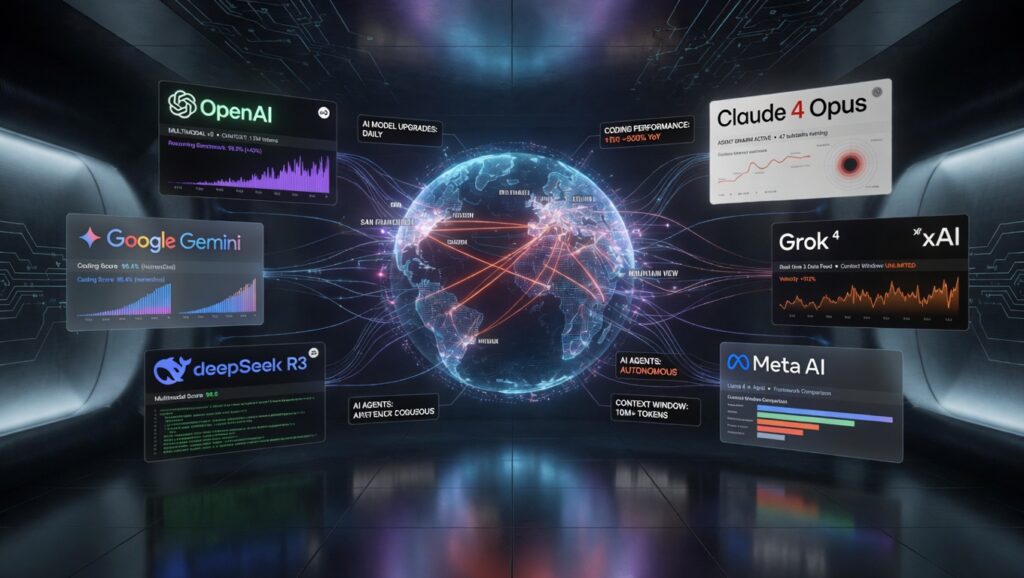
As AI adoption grows globally, demand for these GPUs has exploded. Major technology companies are investing billions of dollars into AI infrastructure, cloud servers, and large GPU clusters just to keep up with rising user demand. However, supply is still struggling to match the pace of AI growth.
This growing competition for GPU resources is directly affecting AI video platforms. Generating cinematic videos for millions of users every day requires enormous amounts of hardware running continuously, which significantly increases operational costs for companies.
Electricity and Data Center Costs Are Increasing
The infrastructure behind AI video generation consumes massive amounts of electricity. Modern AI servers require advanced cooling systems, high-performance networking, and energy-intensive hardware operating around the clock.
As AI video generation becomes more popular, companies are spending heavily on expanding data centers and maintaining stable infrastructure capable of handling constant rendering requests. Large AI workloads are now increasing power demands across the technology sector, especially for companies operating large-scale GPU clusters.
Unlike traditional apps, AI video generation is not lightweight. Every generated clip uses real computational resources, real electricity, and expensive server infrastructure. As usage scales higher, operating costs rise rapidly for AI providers.
Why AI Platforms Are Introducing More Limits
Because of these growing costs, many AI platforms are now quietly tightening usage policies. Across the industry, users are increasingly reporting reduced daily generations, stricter credit systems, slower rendering speeds, longer queues, and limitations on high-quality video generation.
Many companies initially offered generous access to attract users during the early growth phase of AI video generation. But as millions of creators began generating cinematic content daily, maintaining those same limits became financially difficult.
This is why some platforms are now:
- reducing generation counts,
- prioritizing premium subscribers,
- limiting higher resolutions,
- and introducing more aggressive rate limits during peak hours.
The economics of AI video generation are proving far more expensive than many early subscription models originally anticipated.
AI Video Demand Is Growing Faster Than Expected
The popularity of AI-generated short-form content has accelerated far faster than the industry predicted. Creators are now using AI tools for YouTube Shorts, TikTok edits, advertisements, cinematic storytelling, anime-style videos, music visuals, and even indie filmmaking projects.
This sudden explosion in demand has placed enormous pressure on global AI infrastructure. Millions of users generating videos simultaneously require huge amounts of compute power every day, creating intense competition for available GPU resources.
Some AI cloud providers and infrastructure companies have already acknowledged that demand for AI computing is growing faster than current infrastructure expansion. This imbalance is one of the key reasons many platforms are becoming more restrictive with video generation access.
Final Thoughts
The rising cost of AI video generation in 2026 is not simply a temporary platform issue. It reflects a much larger shift happening across the entire AI industry.
Exploding GPU demand, expensive infrastructure, electricity costs, data center expansion, and the massive popularity of cinematic AI content are all contributing to stricter limits and evolving pricing models.
As AI filmmaking and short-form AI content continue growing, users should expect platforms to keep adjusting subscription systems, generation limits, and premium access tiers while companies race to expand the infrastructure needed to support the future of AI video creation.