OpenAI’s Latest Update Focuses on Control, Not Just Creativity
OpenAI has introduced ChatGPT Images 2.0, a major update to its image generation system, now built directly into ChatGPT. The rollout began on April 21, 2026, and is already reaching users across both free and paid plans, along with developers through the API. What makes this update stand out is not just improved visual quality, but how much more usable the system feels in practice. It follows detailed prompts more carefully, handles complex instructions with fewer errors, and can generate multiple related images in a single request. The results feel more structured and intentional, closer to something designed rather than randomly generated, signaling a shift from experimental visuals to practical use cases.
What’s Different?
One of the most noticeable changes is how the model responds to prompts. Instead of instantly generating an image, it takes a more deliberate approach by processing the request more carefully before producing the output. This results in visuals that align more closely with user intent, especially when dealing with detailed compositions, layouts, or specific styles. It also becomes easier to create consistent sets of images, such as storyboards or branded visuals, without having to restart each time. While this approach may feel slightly slower compared to earlier versions, the added control and reliability make a significant difference in overall usability.
What ChatGPT Images 2.0 Can Actually Do
From poster-style character sheets to detailed infographic designs, the model is able to organize complex information into clean, readable formats. Text appears more aligned and structured, while multiple elements within the same frame maintain balance without feeling cluttered.
It also handles more complex scenes with a higher level of control. Whether it’s a product-style composition or a magazine cover layout, different components—such as subjects, backgrounds, and text blocks—are placed with noticeable precision. This level of control makes the outputs feel closer to designed visuals rather than randomly generated images.
You’ll find that:
- Compositions feel more intentional
- Elements are placed more accurately
- Outputs across multiple images stay visually consistent
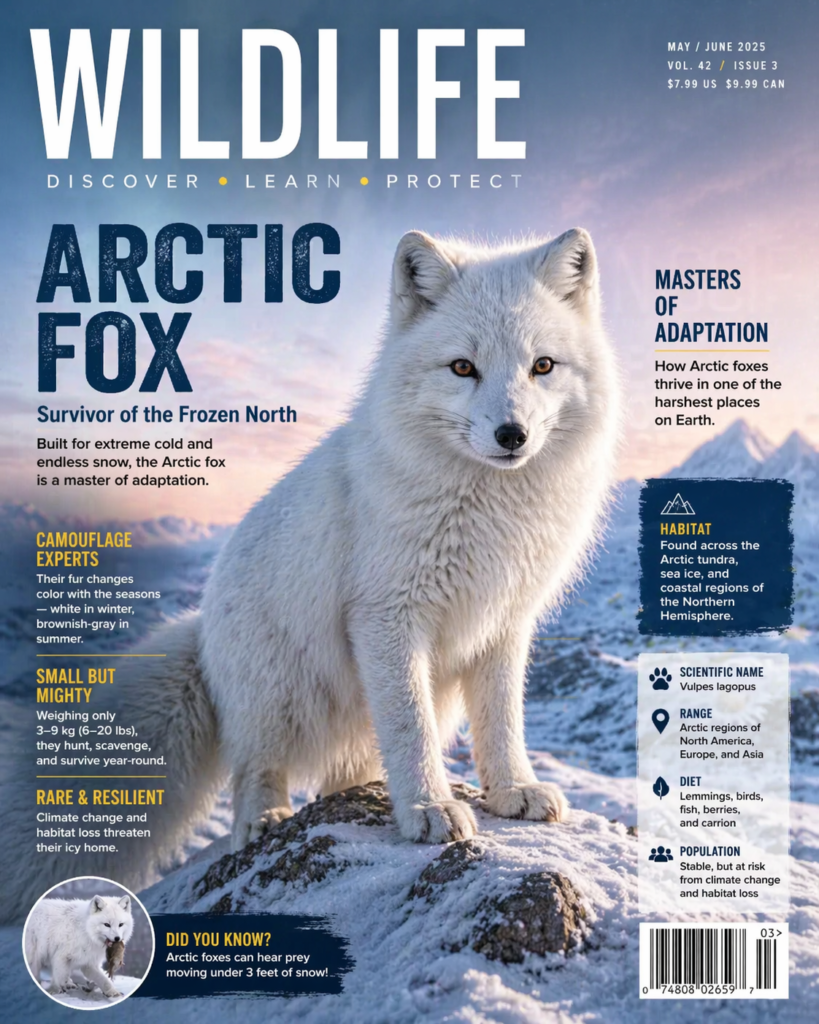
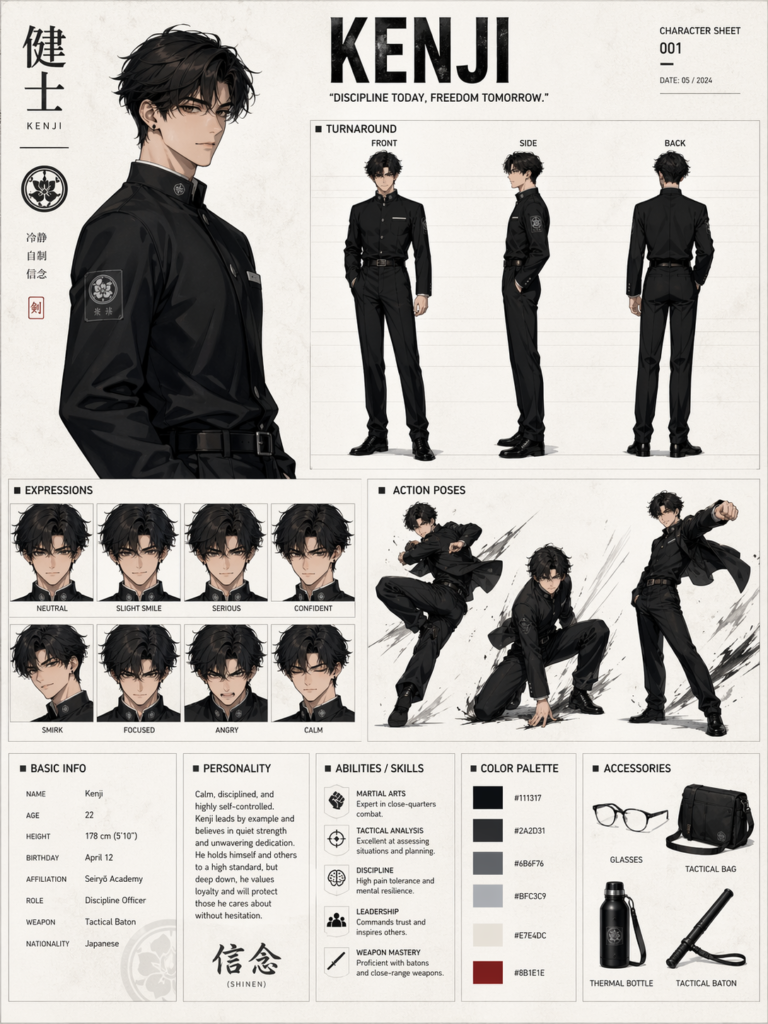
These examples highlight the practical side of the update—this isn’t just about generating a single “cool image,” but about creating visuals that can actually be used in content, design, or storytelling.
Text Rendering Improves, but Isn’t Perfect Yet
Rendering text inside images has historically been one of the biggest challenges for AI models. ChatGPT Images 2.0 shows clear improvement in this area, particularly with English text, where outputs like posters, UI mockups, and structured graphics appear more readable and usable. The system also attempts to support multiple languages, including Hindi, but results can still vary depending on the complexity of the text. While the progress is noticeable and useful in many cases, achieving consistent accuracy across languages remains an area that will likely continue to evolve.
Positioning in an Increasingly Competitive Space
This update comes at a time when competition in AI image generation is rapidly increasing. By focusing on precision, layout control, and real-world usability, OpenAI is positioning this model as more than just a creative tool. It is being shaped into something that can be used in actual workflows, from design and marketing to content production. With availability through both the ChatGPT interface and the API, it is clearly aimed at a broad range of users, from individuals experimenting with AI to developers building integrated solutions. The overall direction suggests that image generation tools are moving beyond novelty and becoming a regular part of how digital work gets done.